


Discover Giacomo Bucci’s reflections >>>>
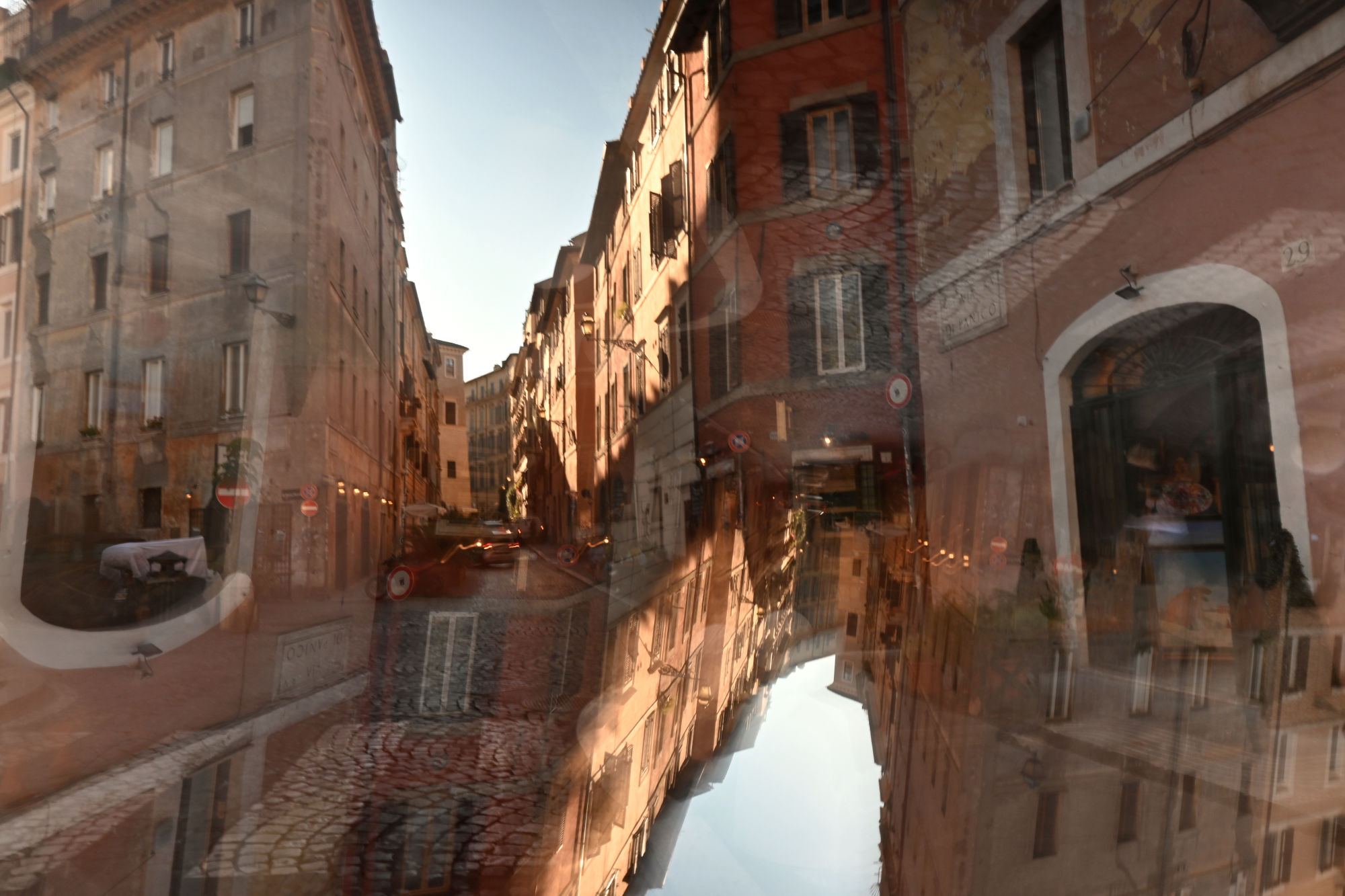
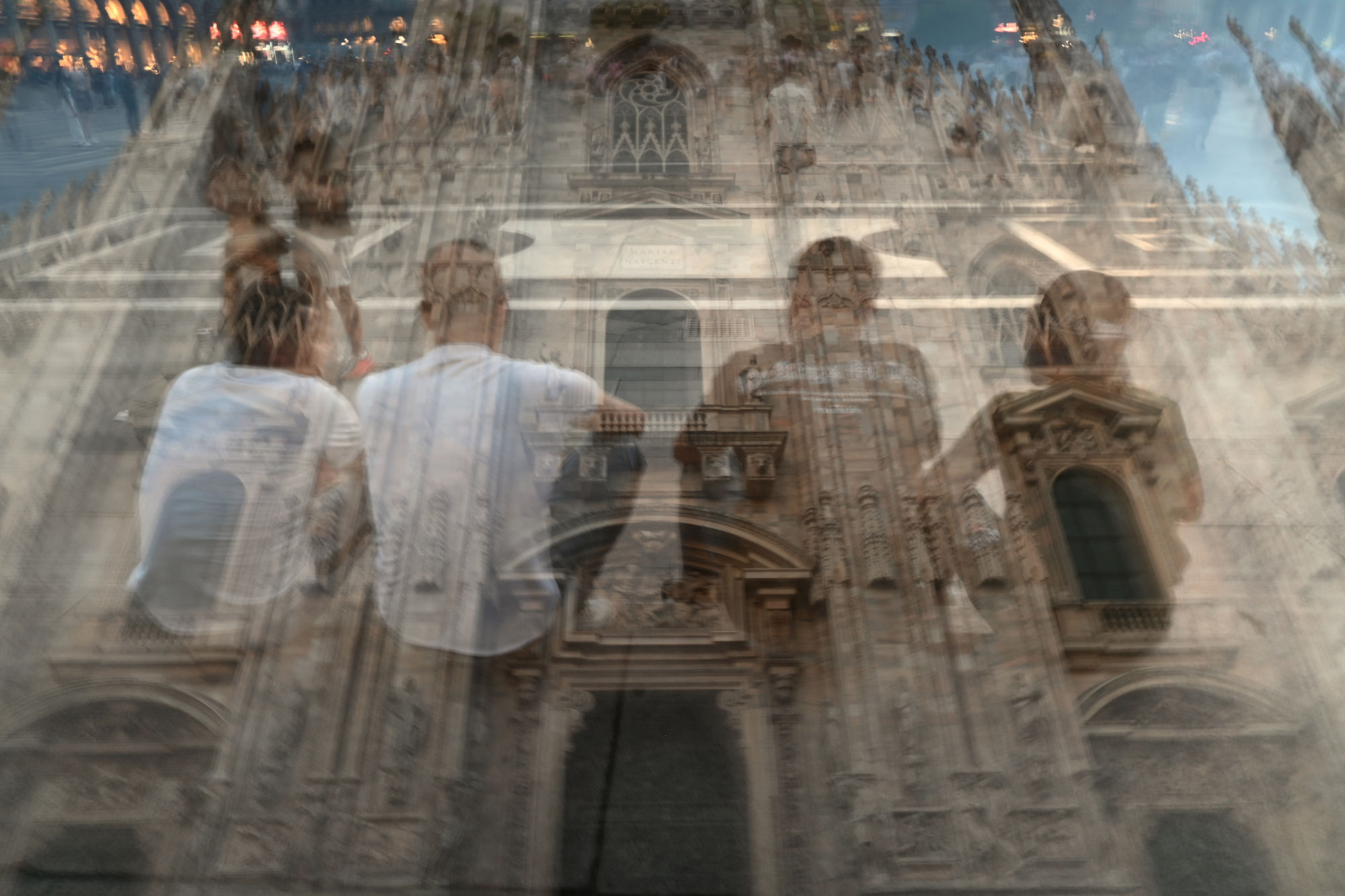
Intentional camera movement (ICM) is the photographic technique that involves moving the camera during exposure. The resulting creative effect consists in the continuous superimposition of images on the same focal plane.
Motion in photography
Already at the end of the Nineteenth century Marey and Muybridge experimented with a series of discontinuous photographic shots the representation of people and animals in motion.
But the first to attribute artistic value to blurred photography was in 1913 Anton Giulio Bragaglia. His futurist photodynamism wanted to represent in an image the “effective, realistic dynamism of objects in evolution of real motion”.
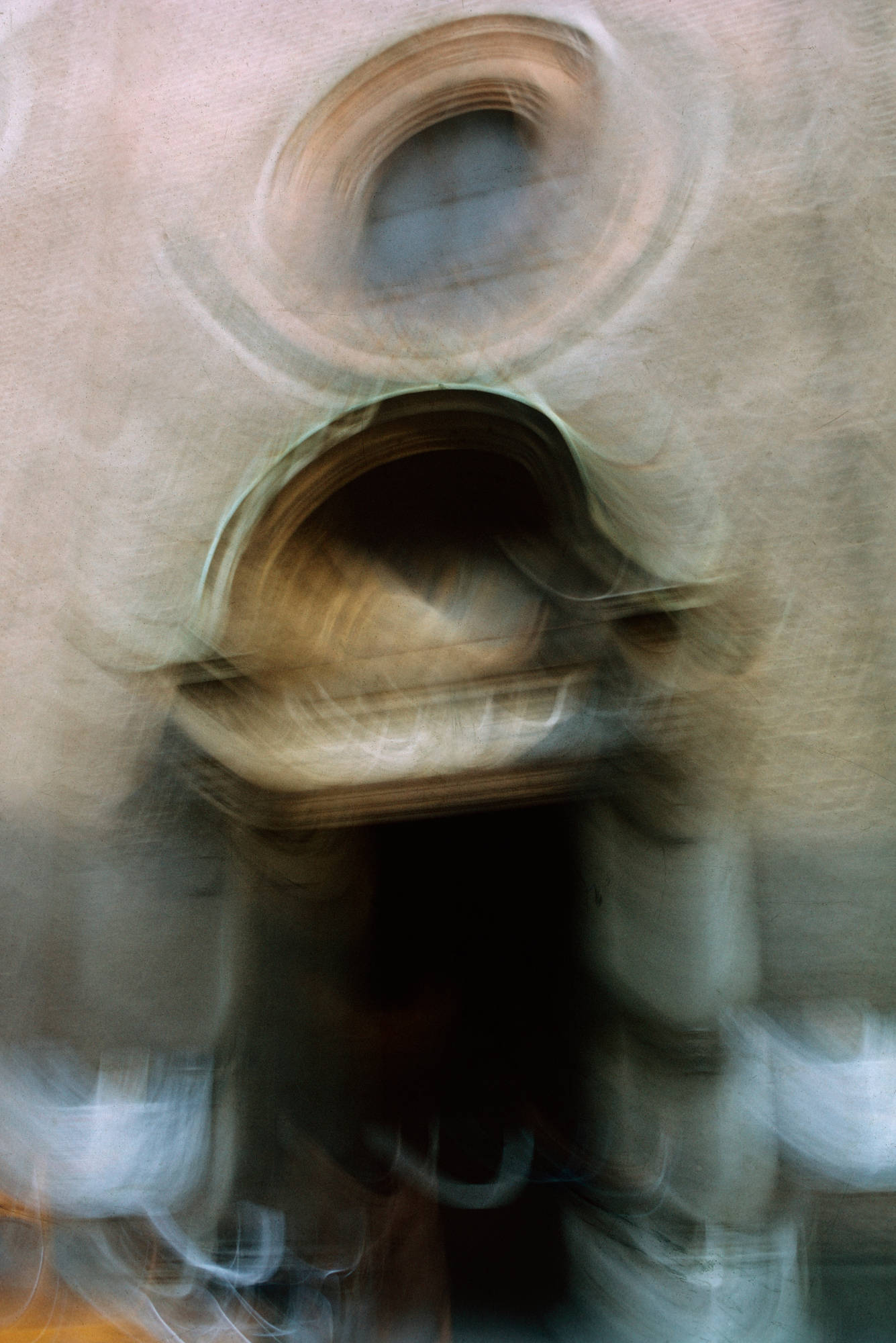
Giacomo Bucci’s curatorial concept >>>>
ICM in the Twentieth century
The first ICM experiments were carried out by the Italian futurists in the 1930s. In fact, the seed of intentional camera movement was already found in the futurist photography.
Filippo Masoero experimented the research on aerial photography with long exposure in free fall. He achieved the same effect as zooming by being dropped from a plane.
It is from the second half of the Twentieth century that some photographers try their hand at the artistic production of blur.
Among these Giacomo Bucci since the 70s has been dedicated exclusively to ICM intentional camera movement.
Some rules for intentional camera movement
Already in June 1973 Ando Gilardi in the magazine PHOTO 13, collecting the confessions of Giacomo Bucci, published what might represent the first definition of ICM Intentional Camera Movement: “Giacomo Bucci, along this research, discovered some laws of motion blur programming. Since he is someone who not only believes in technique but also, above all, in his creative imagination, he does something very rare in our profession: he communicates them to the people photographing. We list them:
Exposure time and movement
a) Good shutter speeds range from 1 second to 1/8 of a second. The best light is twilight, which — among other things — allows for wide apertures without overexposure. The ideal film is Kodachrome II, partly because it is a slow film.
b) The movement involved is primarily that of the camera itself. It can be continuous or interrupted by a pause in the exposure. The stationary period can occur at the beginning or the end. The effects are completely different; a single roll of film is enough to adequately categorize them.
c) With a telephoto lens, you move faster to cover a smaller area. Consequently, the resulting streaks cover more of the frame—they are more prominent, or “magnified,” so to speak, which makes sense. With a wide-angle lens, conversely, you move less. This means you can better utilize longer exposure times to create shorter, more intricate blur patterns. Planning a shot is harder with a wide-angle lens than with a telephoto, but the former offers a wider range of creative possibilities.
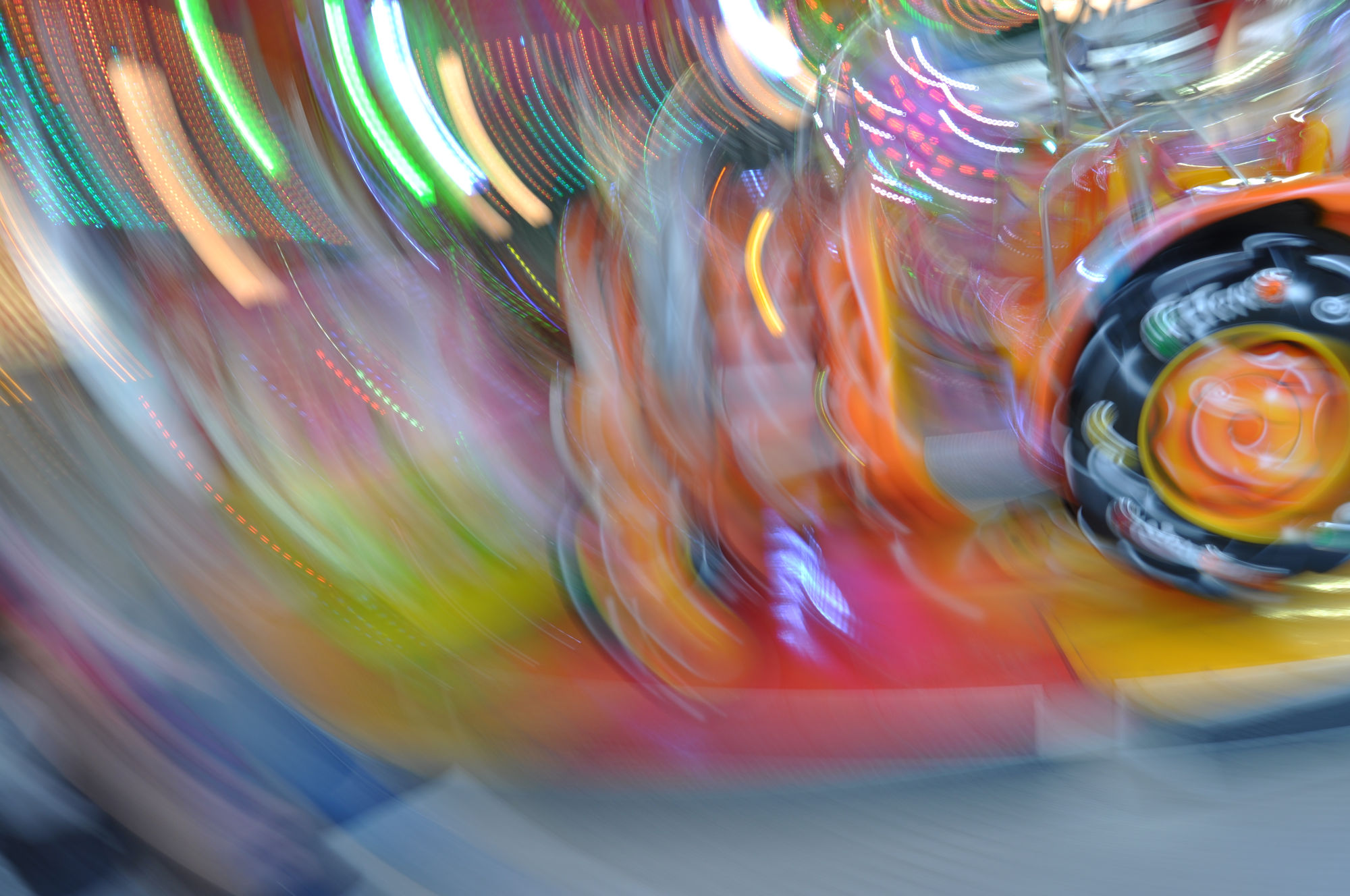
Lights and Shadows
d) By looking through the viewfinder, you can anticipate where the light streaks created by the motion blur will land. They need to end up — during and at the conclusion of the camera movement — over an area of the subject that was previously dark; that is where the film will have enough “unexposed potential” to record them!
e) Subjects featuring a mix of small, intense lights or large, deep shadows work best: by moving the camera, you can “draw” the former into the latter.
f) A bright night (cityscapes, fairgrounds, streetlights) is the best ally for intentional motion blur—for obvious reasons. Nothing prevents a one-second movement—scratching the emulsion with the lights—from continuing into a half-minute tripod exposure to capture the subject as a whole (even if it is very dark), especially if that movement ultimately takes the lights out of the frame!
g) There are about 130 other rules, but you will discover them immediately by checking these ones.
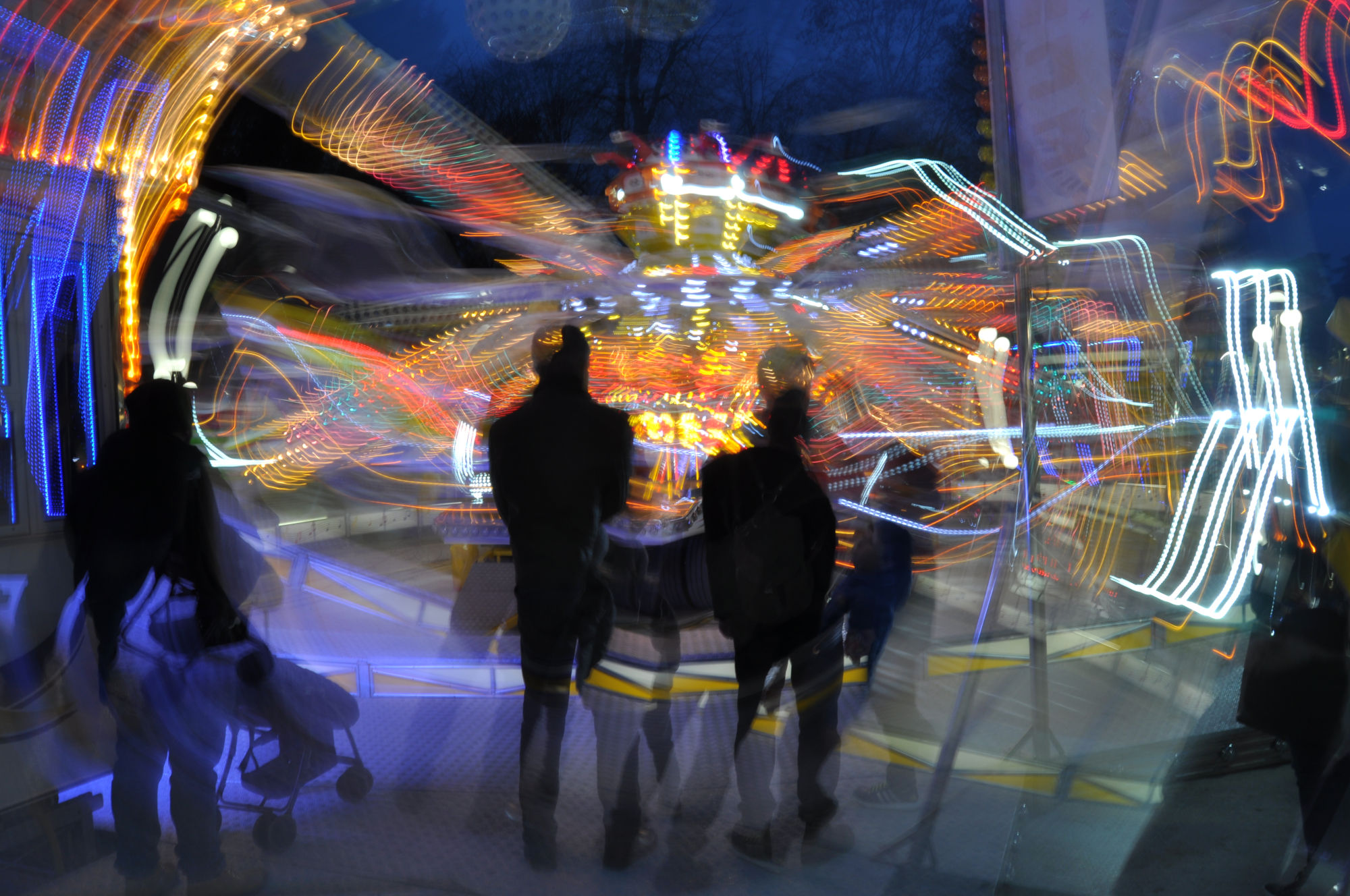
The three types of intentional camera movement
The rules of intentional camera movement help photographer to prefigure in his mind all the movements of the camera that will take place during the shot in order to leave the minimum discretion to chance, even if foreseen.
At the base of ICM there is always a long exposure time, but it is the correct combination between the type of movement and the type of subject that is decisive for a good result. The choice of the type of movement is in fact conditioned by the subject and vice versa, that is to say for each type of movement there are ideal subjects.
First
Moving the photocamera following the motion of the subject, also called panning, is mainly used to bring out sharp cars at speed while leaving the background blurred.
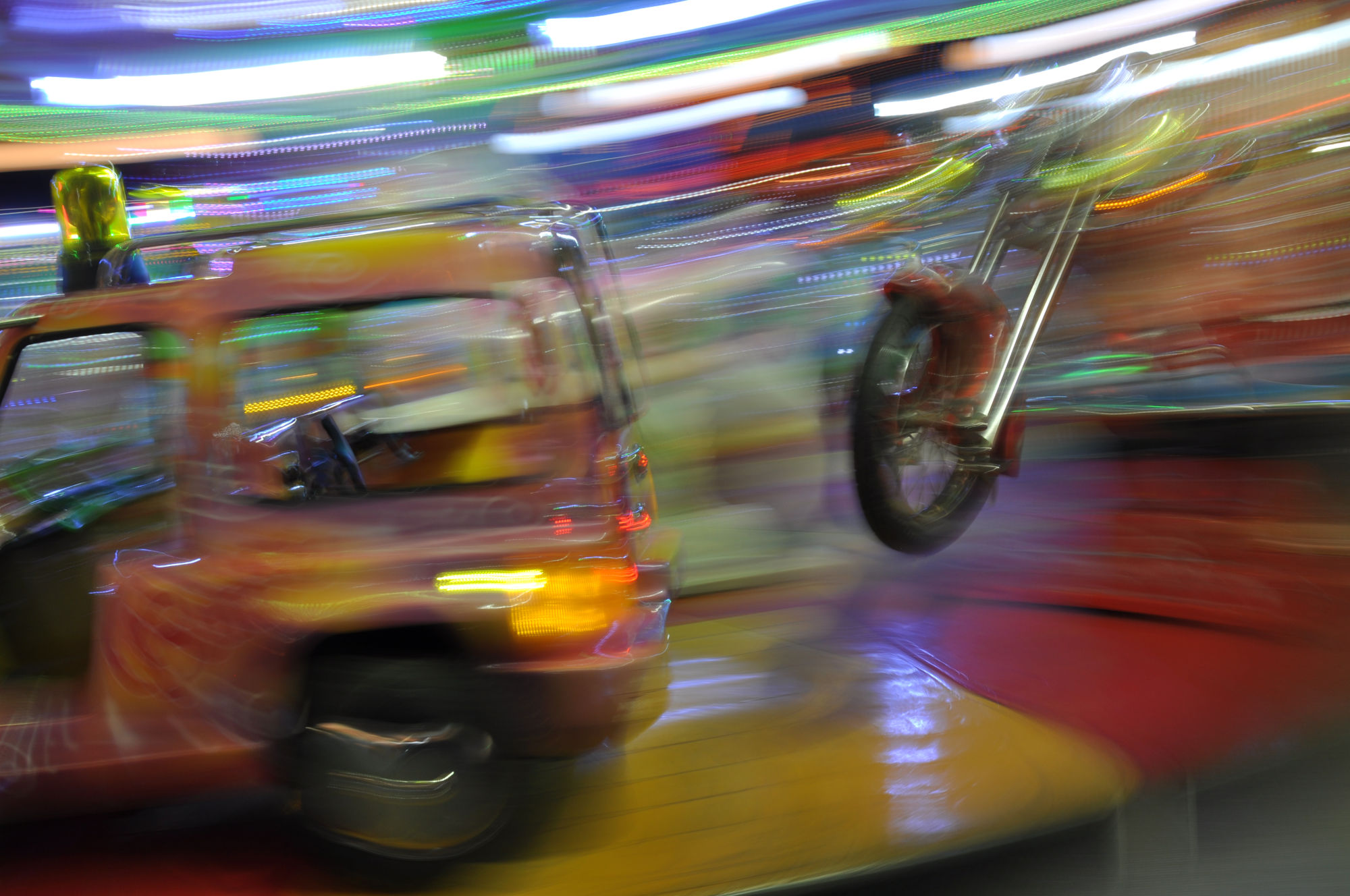
Second
Moving the photocamera up or down towards a static subject is used to achieve an overall pictorial effect of the scene.
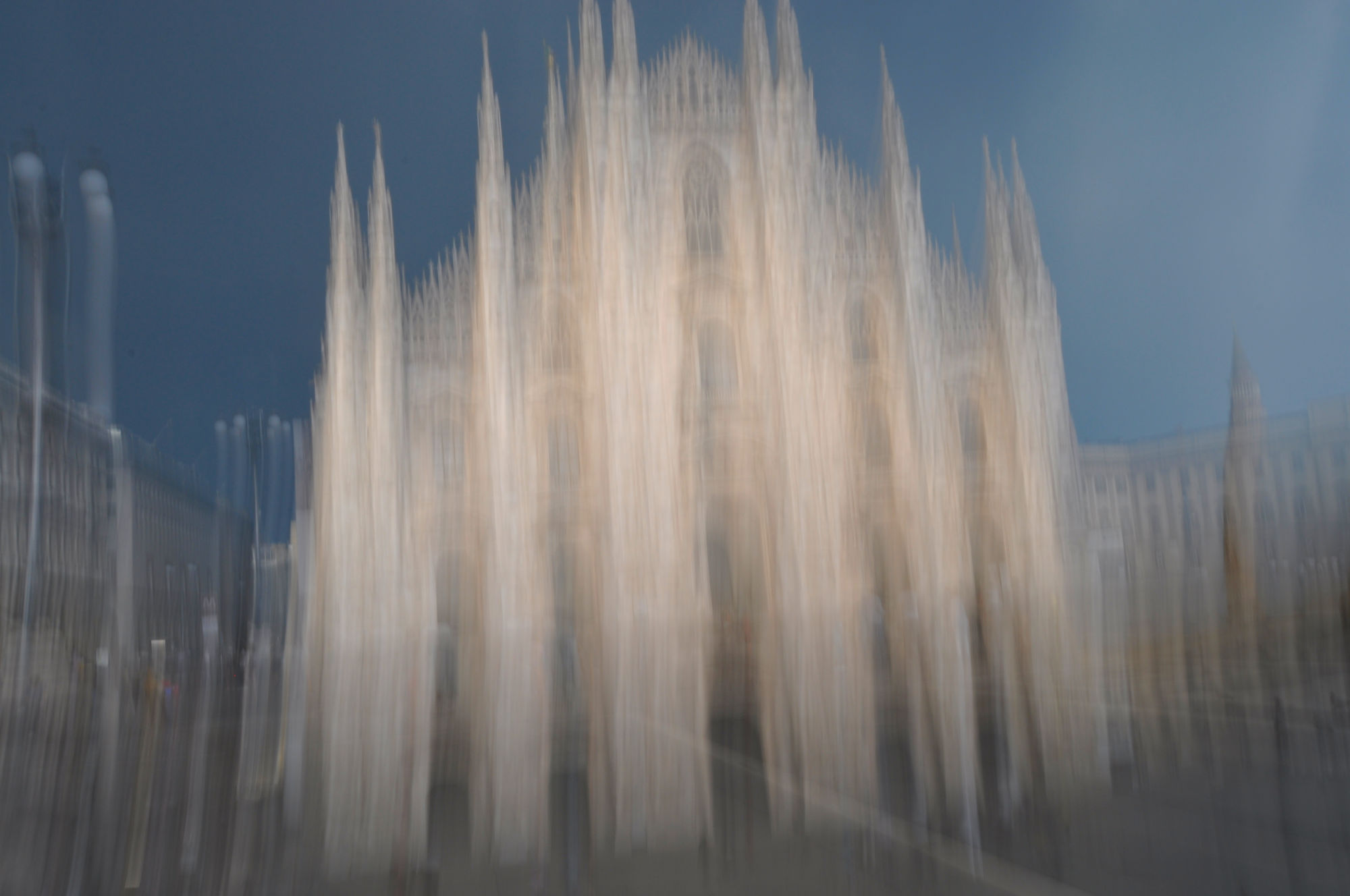
Third
Some combinations between the previous types and other complex movements are the boldest choice for those who want to convey the emotion of a fantastic reality.
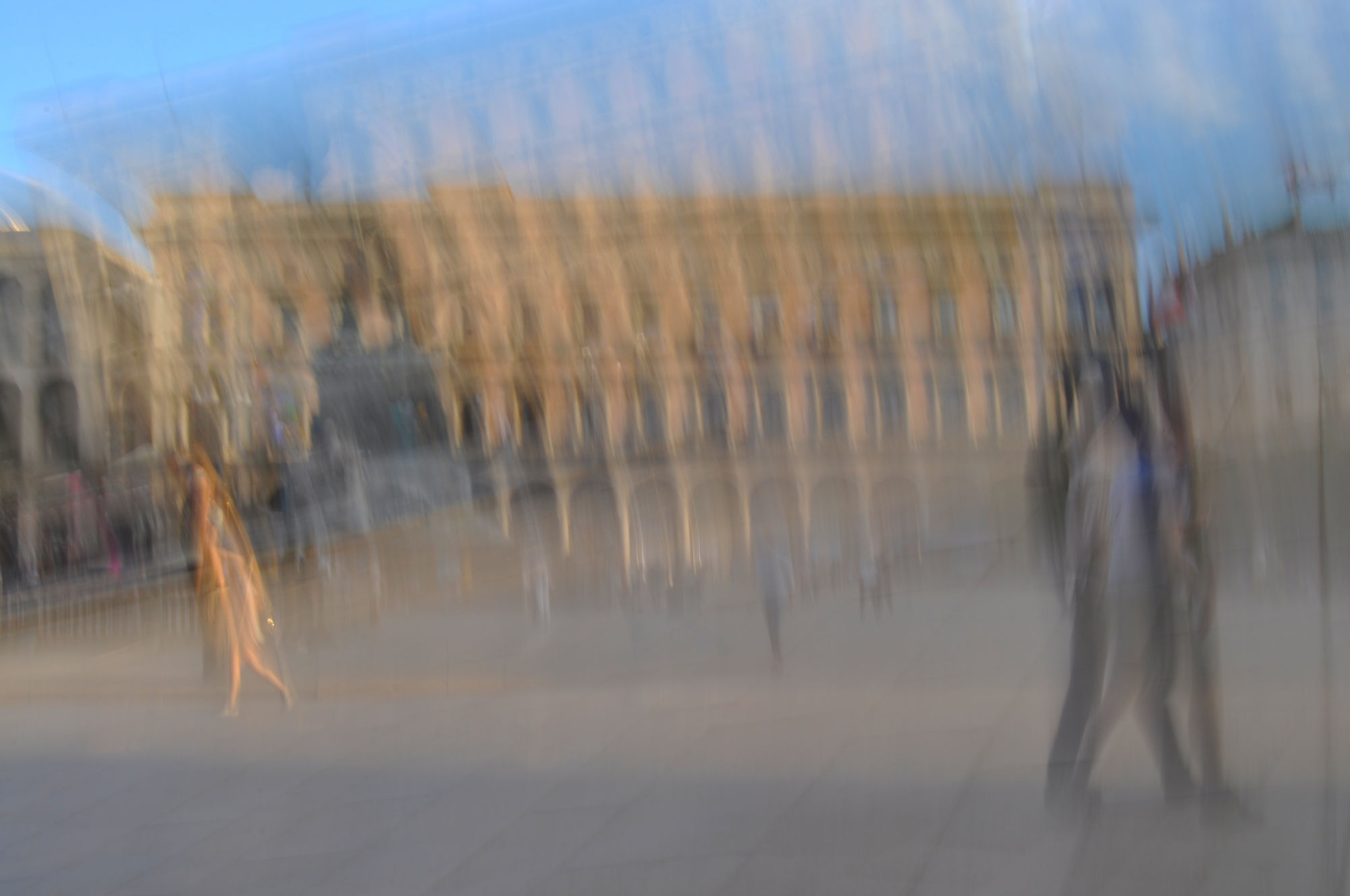
Creative intentional camera movement
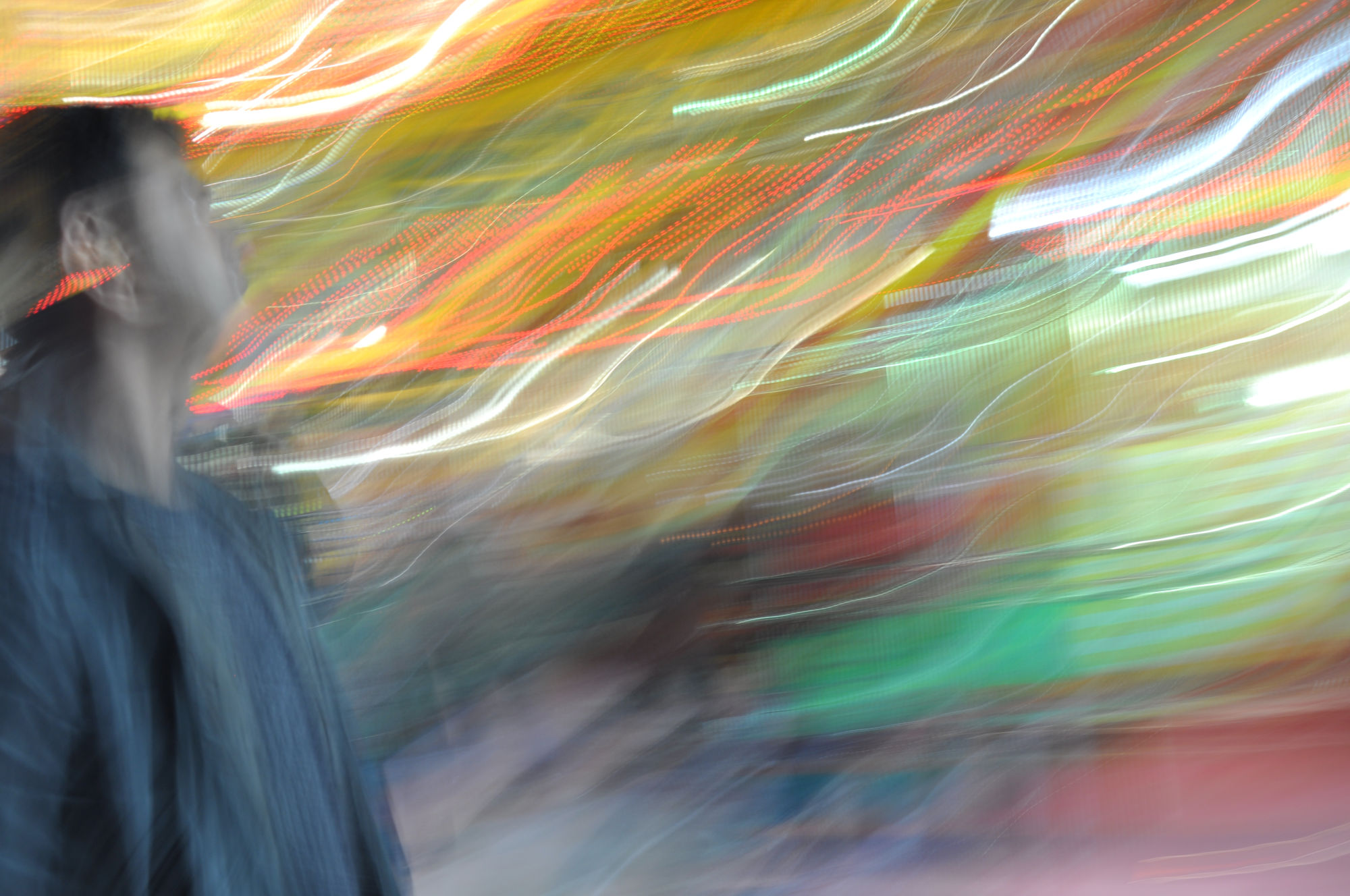
When a photo made with ICM is able to convey emotions to the observer, then we are in the presence of a creative production.
The technical planning is necessary to obtain creative ICM photos, but it is not sufficient to give them artistic value; you also need the imagination and intuition of the photographer.
It is the intensity of personal interpretation that gives meaning to the motion of a gesture or highlights a subject within an entire frame.
So with the intentional camera movement you enter the world of art.
Photography and graphic art
Some photographers use digital pictorial technologies of post-production on the ICM photos, thus encroaching on graphic art.
The true intentional camera movement photos, however, do not need post-production work because they are already creative in themselves.
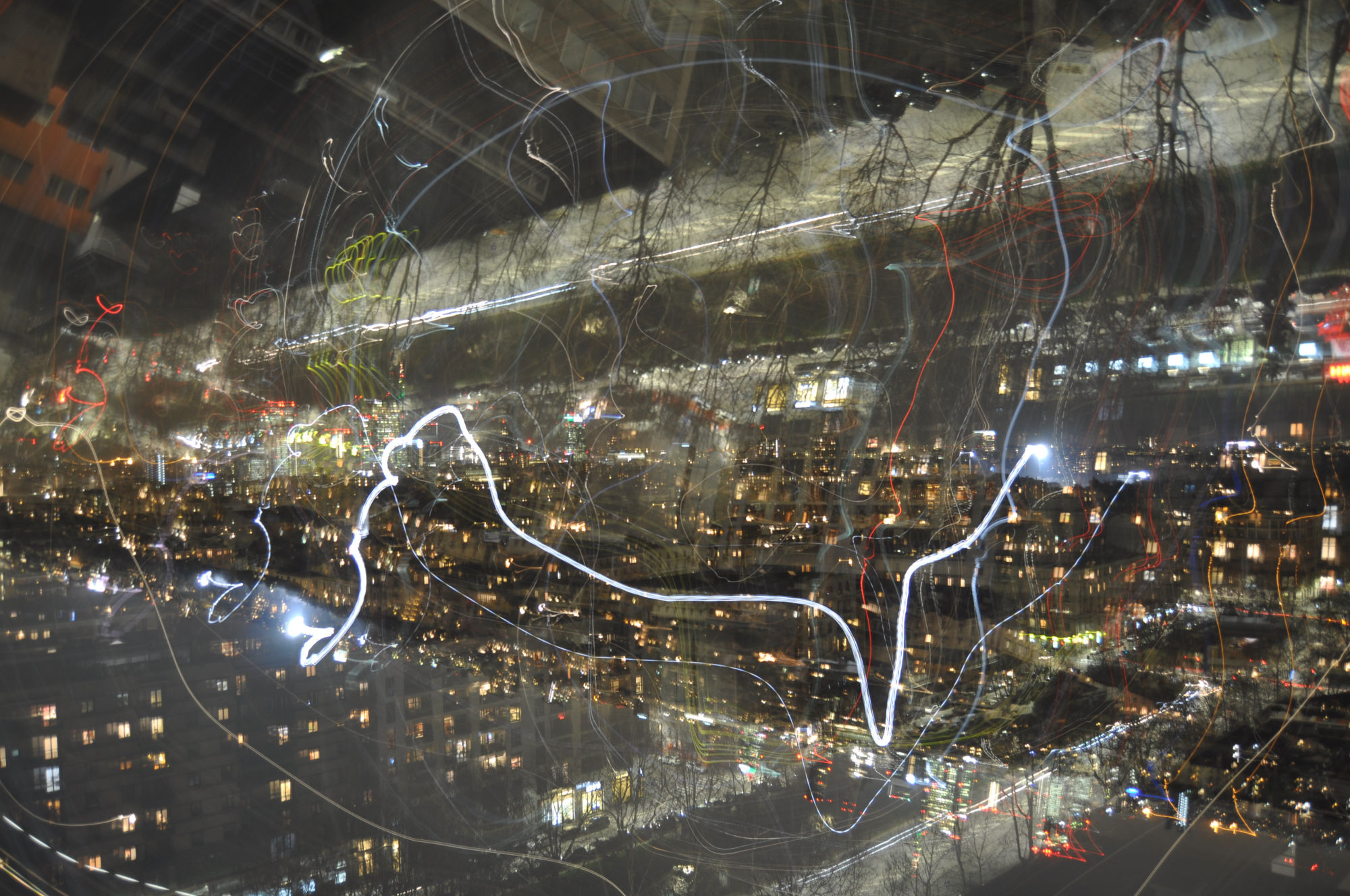
All the photos on this page were taken between 1969 and 2026 by Giacomo Bucci. Each of them was produced with the intentional camera movement technique, performed without filters, with a single click of the shutter and without any manipulation of post-production.
From photography of movement to movement of photography
ICM – Intentional Camera Movement is not as the sudden appearance of a technique in the early 2000s, but the outcome of a long process of transformation in the relationship between photographer, camera, subject and time, developed throughout the twentieth century.
Contemporary ICM stands at the intersection of different trajectories. It is neither merely a technique for producing blurred images nor exclusively a language of photographic abstraction. Rather, it is the outcome of a gradual evolution in which movement, initially an object of representation, becomes first an instrument of vision, then a subject and photographic gesture, and ultimately the very material of the image.
Discover the origins of ICM – Intentional Camera Movement ->>>>>
Six different trajectories lead to ICM
The genealogy of contemporary ICM can be traced through six fundamental stages, in which movement progressively alters its role within the photographic image:
Anton Gliulio Bragaglia — 1913 — Image as trajectory of movement
Filippo Masoero — 1930 — The instability of the point of view
Ernst Haas — 1957 — Movement as a perceptual experience
Kōtarō Tanaka — 1962 — The photographic gesture as writing with Light
Giacomo Bucci — 1973 — From dynamism to the ontology of the image
Alexey Titarenko — 1991 — Movement as urban memory
From this perspective, ICM does not represent a rupture, but an evolutionary continuity: a contemporary practice whose roots lie in the experiments of the twentieth century and in the progressive redefinition of what a photograph can show, record and, ultimately, generate.
Comment
cercando Maestri del genere fotografico ICM al quale mi sto appassionando, internet mi ha suggerito il tuo nome assieme ad altri grandi del passato come Giacomelli. I tuoi scatti li trovo filosoficamente molto vicini ai miei. Io non sono un professionista ma un semplice appassionato ora quasi “ossessionato” dall’idea di esprimere qualcosa di bello o forse solo “qualcosa” attraverso la fotografia che frequento da una 50ina di anni.
Vero stupore. Mi avvicino per la prima volta questa branchia dell’arte figurativa e lo stupore è tanto.
Pensavo che una foto “mossa”, ne ho scattate tante in gioventù, avesse una accezione negativa, fosse “sbagliata” ora grazie a questo sito chiaro e ben fatto e alle descrizioni dettagliate che aiutano a capire al neofita che approccia quest’arte sono in grado di apprezzare a pieno il significato delle opere. Davvero una bella sorpresa!